
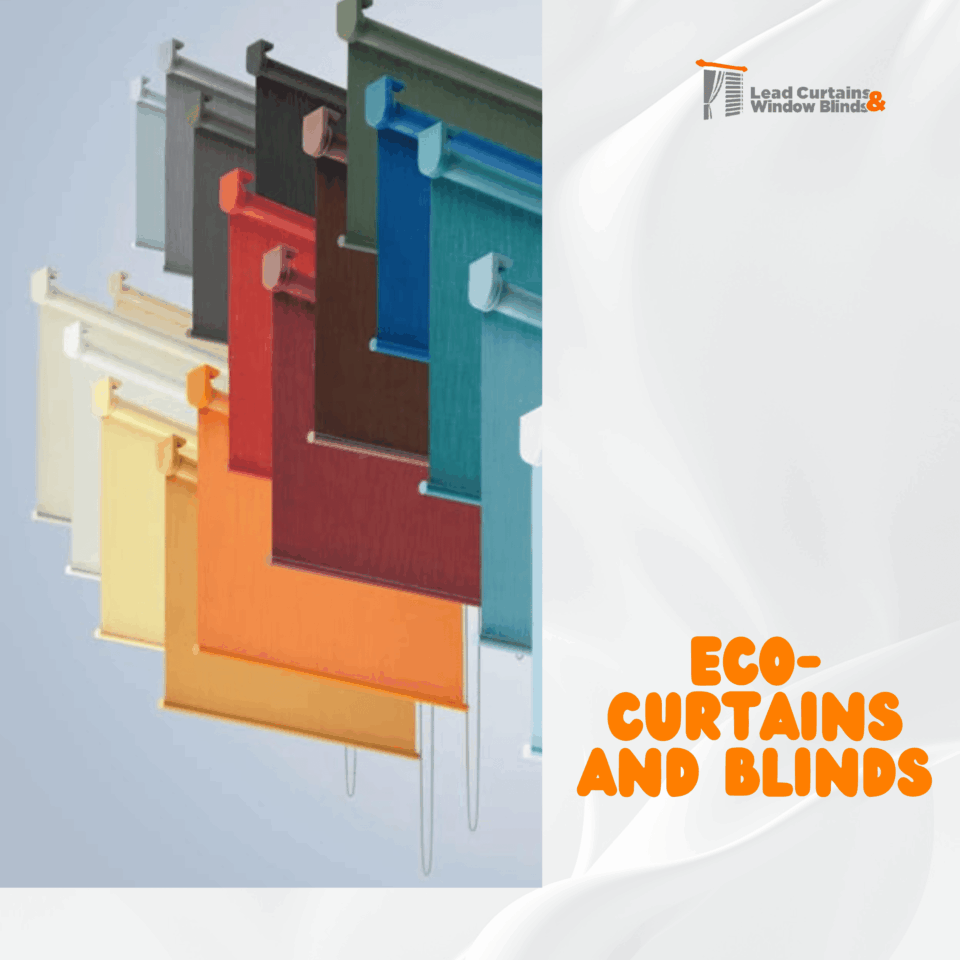
Consumers are now searching for products that demonstrate their commitment to sustainability. The production sector is also catching up by adopting green initiatives and sourcing sustainable materials. Eco-curtains and blinds are increasingly popular among green consumers who wish to minimize their ecological footprint. This essay explains the major areas of green manufacturing with respect to sourcing eco-friendly materials for curtains and blinds. Last but not least, it welcomes customers to visit and contact Lead Curtains and Blinds for their professional services to meet their green needs.
Renewable and Recycled Fabrics
The initial primary area of green manufacturing is using renewable and recycled fabrics. Conventional textile production involves energy-intensive processes and synthetic materials that are environmentally degrading. Eco-curtains and blinds can be produced using organic cotton, bamboo, hemp, and recycled polyester. Organic cotton is grown without the application of synthetic pesticides or fertilizers, reducing the environmental burden on water and soil resources. Bamboo is a very renewable resource that is quick-growing and consumes minimal water and pesticides. Hemp is a sustainable option that’s long-lasting and has very little effect on the environment. Recycled polyester transforms plastic waste into usable fabric, reducing landfill waste and the demand for raw materials.
Sustainable Wood and Bamboo
For wooden blinds and curtain hardware, therefore, it’s essential to have certified sustainable wood and bamboo. Moreover, deforestation is a significant environmental concern, leading to habitat loss and climate change. In addition, eco-curtains and blinds prefer wood from responsibly managed forests that have been certified by organizations such as the Forest Stewardship Council (FSC). Specifically, FSC certification ensures that the wood is being harvested in a socially and environmentally friendly manner. Furthermore, a very good alternative to traditional wood is bamboo, a fast-renewing resource that matures in a few years. Ultimately, the utilization of sustainable wood and bamboo saves forests and promotes biodiversity.
Non-Toxic Dyes and Finishes
Textile processes such as finishing and dyeing may involve the use of toxic chemicals that are water pollutants and health hazards. Eco-curtains and blinds utilize non-toxic dyes and finishes to eliminate environmental degradation and protect consumer health. Natural dyes derived from plants, minerals, and insects are a sustainable alternative to synthetic dyes. Natural dyes are biodegradable and have lower possibilities of causing an allergic reaction. Besides, water-based finishes and formaldehyde-free treatments are used to avoid releasing harmful volatile organic compounds (VOCs) into the environment. The application of eco-friendly dyes and finishes protects human health as well as the environment.
Energy-Efficient Production Processes
Green manufacturing extends beyond material sourcing to encompass energy-efficient production processes. Traditional manufacturing processes have a tendency to consume a lot of energy, which contributes to greenhouse gas emissions. Eco-curtains and blinds prioritize reducing energy consumption in various ways. These include the utilization of energy-efficient equipment, simplifying production procedures, and implementing waste reduction programs. Renewable energy sources, such as solar energy, can be integrated into factories to further reduce the carbon footprint. With energy minimization, manufacturers are able to minimize their environmental impact while maximizing process efficiency.
Waste Reduction and Recycling Programs
Waste reduction serves as a key area of green manufacturing. Textile production generates waste in the form of scraps, trimmings, and packaging. Eco-curtains and blinds implement waste reduction and recycling programs to minimize the amount of waste sent to landfills. Manufacturers can re-use fabric scraps and trimmings to make new products or recycle them into new fibers. Companies can create packaging materials from recycled materials designed for reuse or recycling. By employing effective waste management practices, manufacturers conserve resources and reduce pollution.
Transparency and Traceability
Transparency and traceability play crucial roles in ensuring the authenticity of green products. Consumers must understand where their products come from and how manufacturers make them. Eco-curtains and blinds provide clear details about their supply chain, including the origin of materials, production processes, and environmental certifications. Producers use traceability systems to track materials from the source to the end product. This transparency encourages consumer trust and ensures that the products attain the highest degree of sustainability.
Benefits of Green Blinds and Curtains
The use of green blinds and curtains offers numerous benefits to consumers and the environment. They help reduce environmental impact by saving resources, reducing pollution, and conserving energy. Eco-blinds and curtains made from organic and natural materials contain zero toxic chemicals and promote a healthier indoor environment. They also help buildings become energy efficient by serving as insulators and reducing heat loss or gain through windows. When consumers purchase green products, they support green manufacturing processes and contribute to a greener future.
Conclusion
Green manufacturing proves essential when creating sustainable products to serve green consumers. By utilizing renewable and recycled materials, eco-friendly wood and bamboo, non-toxic dyes and finishes, and energy-efficient manufacturing processes, manufacturers can minimize their effect on the environment. Eco-curtains and blinds offer a variety of benefits, including reducing environmental impact, improving indoor air quality, and maximizing energy efficiency. For customers needing professional services to meet their green requirements, Lead Curtains and Blinds serves as your green option. We carry a huge selection of eco-friendly materials for eco-curtains and blinds; contact us today to learn more.
