

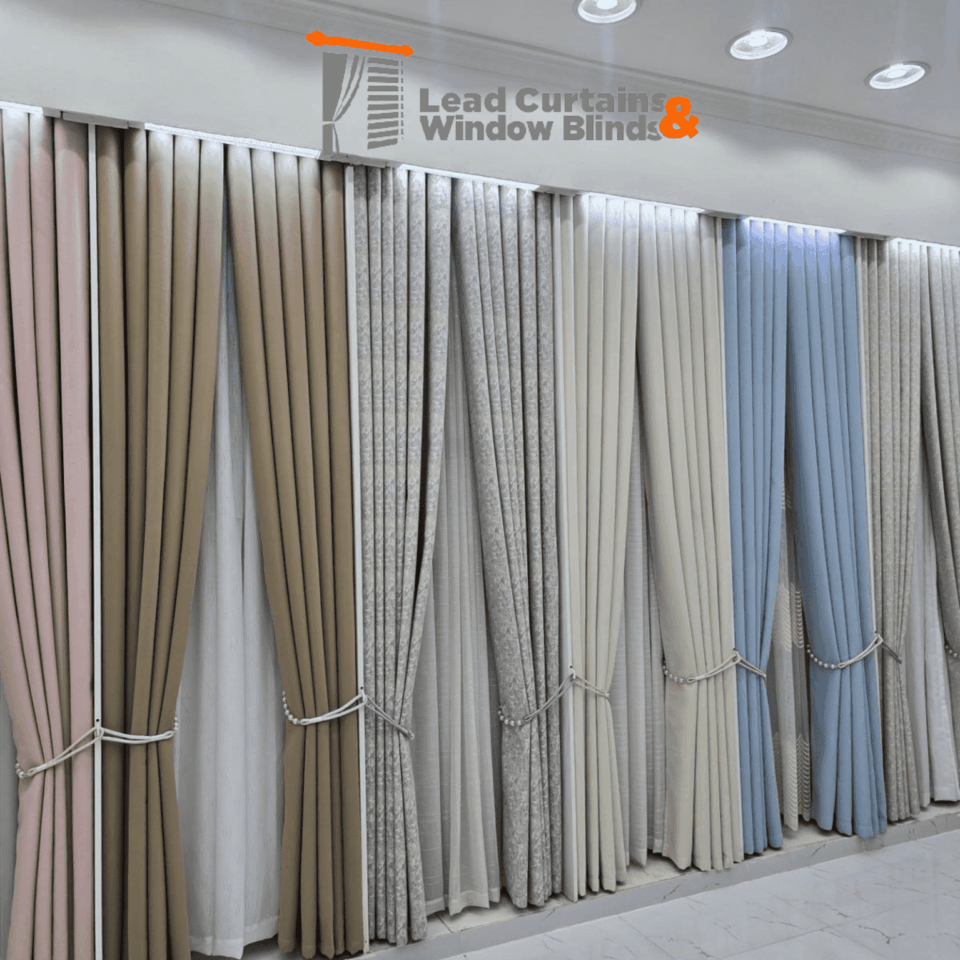
When choosing window treatments, many homeowners focus first on color or pattern, but the true performance and longevity of any curtain depend largely on the material used. Curtain fabrics determine how well curtains filter light, provide privacy, enhance insulation, and complement interior décor. From airy sheer panels to rich, dramatic drapes, understanding the most commonly used curtain fabrics helps you make informed decisions that balance beauty with function. This guide explores the fabrics most often used for curtains, their unique qualities, and how they suit different spaces and lifestyles.
Cotton: The Everyday Favorite
Among curtain fabrics, cotton remains one of the most widely used because of its versatility and affordability. Cotton curtains are breathable, easy to clean, and available in countless weaves, prints, and thicknesses. They work well in living rooms, bedrooms, and kitchens where a casual yet polished look is desired. Cotton also holds dye well, making it ideal for patterned or colorful curtains that brighten a space without overwhelming it.
Linen: Natural Elegance and Texture
Linen is prized in curtain fabrics for its relaxed, organic appearance and subtle texture. Made from flax fibers, linen curtains allow light to filter through softly while still offering privacy. Popular in coastal, minimalist interiors with natural materials. Although linen wrinkles easily, many homeowners appreciate this lived-in look as part of its charm, making it a stylish choice for contemporary homes.
Polyester: Practical and Durable
Polyester has become a staple in curtain fabrics due to its durability and low maintenance. It resists wrinkles, shrinking, and fading better than many natural fibers, making it suitable for high-traffic areas and homes with children. Polyester curtains often mimic the appearance of more expensive fabrics, offering a cost-effective way to achieve a refined look without constant upkeep.
Silk: Luxury and Sophistication
Silk stands out among curtain fabrics for its natural sheen and elegant drape. It instantly elevates formal spaces such as dining rooms or master bedrooms. Silk curtains reflect light beautifully, adding depth and richness to interiors. However, Sensitive to sunlight and moisture, often lined or used in controlled lighting to preserve beauty.
Velvet: Warmth and Drama
For those seeking drama and insulation, velvet is a top choice in curtain fabrics. Thick and plush, velvet curtains block light effectively and help regulate room temperature by reducing heat loss and external noise. Common in theaters, luxury homes, and bedrooms for comfort. Velvet’s rich texture also adds visual weight, making it ideal for large windows and high ceilings.
Sheer Fabrics: Light and Airy Appeal
Sheer curtain fabrics such as voile, chiffon, and lace are designed to diffuse light rather than block it. These materials create a soft, airy ambiance while maintaining a degree of privacy during the day. Sheer curtains layered with drapes adjust lighting and mood effortlessly.
They are especially popular in living rooms and spaces where natural light is essential.
Blended Fabrics: The Best of Both Worlds
Blended curtain fabrics combine natural and synthetic fibers to enhance performance and appearance. For example, cotton-polyester blends offer the softness of cotton with the durability of polyester. Engineered blends reduce wrinkling, enhance durability, and lower costs for stylish, functional modern households.
Blackout and Thermal Fabrics: Function-Driven Choices
Specialty curtain fabrics such as blackout and thermal materials are designed with performance in mind. Blackout curtains use tightly woven or layered fabrics to block nearly all light, making them ideal for bedrooms and media rooms. Thermal fabrics include insulating layers that help regulate indoor temperatures, reduce energy costs, and improve comfort, especially in climates with extreme heat or cold.
Choosing the Right Fabric for Your Space
Choosing curtain fabrics involves considering room function, light control, maintenance, and décor style. AI technological tools assist homeowners in visualizing fabric options, potentially providing recommendations suited to individual lifestyles and local climates in the future.
Conclusion
Curtains serve functional purposes influenced by selected fabrics. Understanding various fabric options like cotton, silk, polyester, and velvet aids in making better design choices. For expert help and premium installations, clients can contact Lead Curtains and Blinds for tailored curtain solutions.
