

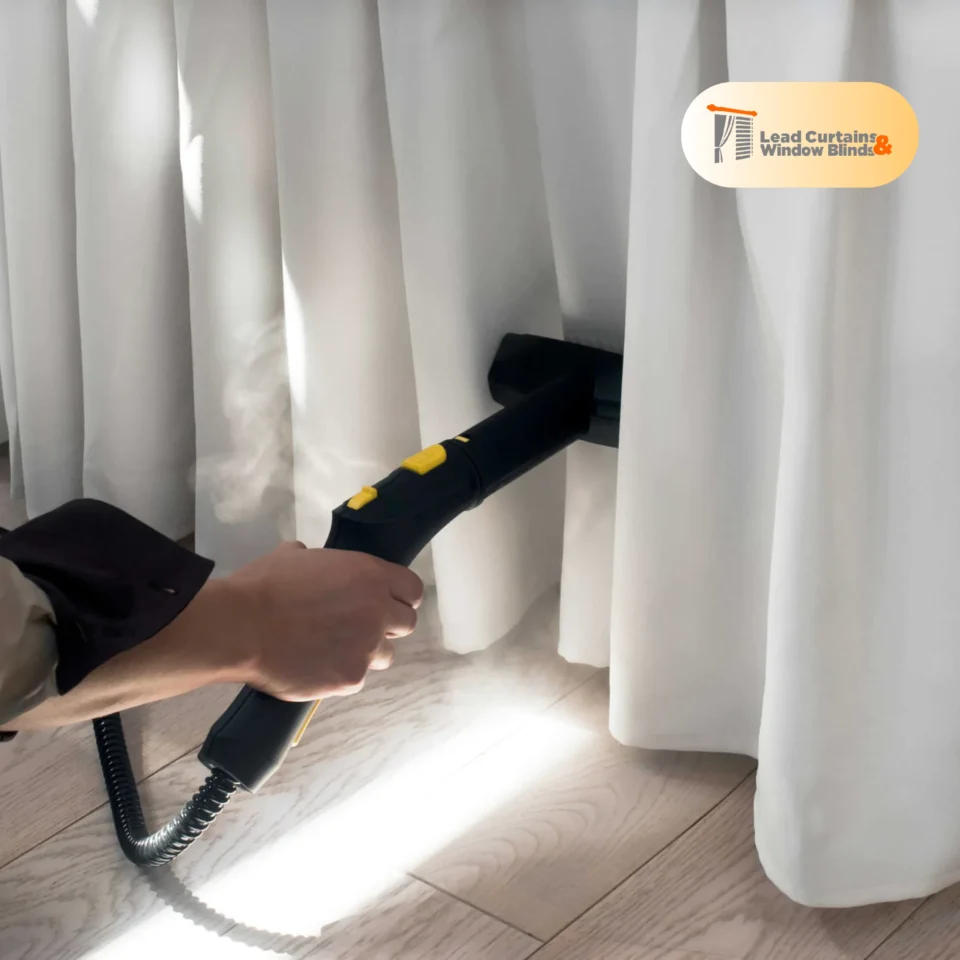
Keeping your home fresh and inviting goes beyond regular floor cleaning and dusting, your window treatments play a major role too. Curtains and drapes often trap dust, allergens, and odors over time, making proper maintenance essential for both hygiene and aesthetics. Whether you’re dealing with delicate fabrics or heavy blackout drapes, understanding the right techniques ensures longevity and cleanliness. This guide walks you through practical and effective methods for cleaning curtains, including washing, dry cleaning, and vacuuming, in a way that feels manageable and realistic for everyday homeowners.
Your Curtain Fabric
Before diving into any method, the first and most important step in cleaning curtains is identifying the fabric type. Curtains come in a wide range of materials such as cotton, linen, polyester, velvet, silk, and blends. Each material has specific care requirements, and using the wrong approach can lead to shrinkage, discoloration, or damage.
For example, lightweight fabrics like cotton and polyester are generally machine washable, while heavier or delicate fabrics like velvet or silk may require professional handling. Always check the manufacturer’s label for cleaning instructions. If the label is missing, testing a small hidden section with water or detergent can help determine how the fabric reacts. Understanding your curtain material sets the foundation for choosing the safest and most effective cleaning approach.
Washing Curtains at Home
Machine or hand washing is one of the most common approaches to cleaning curtains, especially for fabrics that are labeled as washable. Before washing, remove hooks, rings, or any hardware attached to the curtains. Shake them outdoors to remove loose dust and debris.
When using a washing machine, select a gentle cycle with cold or lukewarm water to prevent fabric damage. Mild detergents are ideal, as harsh chemicals can weaken fibers or fade colors. Avoid overloading the machine to ensure proper cleaning and rinsing. For hand washing, soak the curtains in a basin with mild detergent, gently agitate, and rinse thoroughly.
After washing, avoid wringing out the fabric harshly. Instead, gently squeeze out excess water and allow the curtains to air dry. Hanging them back while slightly damp can help reduce wrinkles and maintain their shape. This method is practical and cost-effective for maintaining freshness without professional services.
Dry Cleaning for Delicate Fabrics
For more sensitive materials, dry cleaning is often the safest route when cleaning curtains. Fabrics like silk, velvet, wool, or heavily lined drapes can lose their texture or structure if exposed to water. Professional dry cleaners use specialized solvents that clean without soaking the fabric, preserving its quality.
Dry cleaning is also recommended for curtains with intricate designs, embroidery, or pleats that could be damaged during washing. While this method may cost more than home washing, it extends the lifespan of high-end window treatments and ensures they retain their original look.
If you’re unsure whether your curtains require dry cleaning, err on the side of caution and consult a professional. Investing in proper care now can save you from costly replacements later.
Vacuuming Curtains for Regular Maintenance
Vacuuming is an often overlooked but highly effective method of cleaning curtains, especially for routine upkeep. Dust and allergens accumulate quickly, particularly in homes located in busy or dusty environments. Regular vacuuming helps prevent buildup and reduces the need for frequent deep cleaning.
Use a vacuum cleaner with a soft brush attachment to gently remove dust from the surface. Start from the top and work your way down, ensuring you cover folds and pleats where dust tends to settle. For delicate fabrics, reduce suction power to avoid pulling or damaging the material.
Incorporating vacuuming into your weekly cleaning routine not only keeps your curtains looking fresh but also improves indoor air quality. This simple habit can significantly extend the time between more intensive cleaning methods.
Spot Cleaning and Stain Removal
Accidental spills and stains are inevitable, and knowing how to address them is key to effective cleaning curtains. Spot cleaning allows you to treat specific areas without washing the entire curtain.
Start by blotting the stain with a clean, dry cloth to absorb excess liquid. Avoid rubbing, as this can spread the stain or damage the fabric. Use a mild detergent solution or fabric-safe stain remover, applying it gently with a sponge or cloth. Always test the solution on an inconspicuous area first.
For stubborn stains, repeating the process or seeking professional help may be necessary. Quick action is crucial, as older stains become harder to remove over time. With proper care, most stains can be managed without compromising the overall appearance of your curtains.
How Often Should You Clean Curtains?
Determining the right frequency for cleaning curtains depends on factors such as location, lifestyle, and environmental conditions. In general, curtains should be vacuumed weekly and washed or dry cleaned every 3 to 6 months.
Homes with pets, smokers, or high dust levels may require more frequent cleaning. Similarly, curtains in kitchens or areas exposed to cooking fumes may need extra attention. Regular maintenance not only keeps your space looking clean but also prevents allergens from accumulating.
Consistency is key, developing a routine ensures your curtains remain in good condition and reduces the effort required for deep cleaning.
The Role of Technology in Curtain Care
As smart homes become more common, one might ask: Can artificial intelligence revolutionize how we approach household maintenance tasks like cleaning curtains? Emerging technologies are already introducing automated cleaning devices and smart fabric materials that resist dust and stains.
AI-powered home assistants can remind you when it’s time to clean or even integrate with smart vacuum systems designed to handle delicate surfaces. While these innovations are still evolving, they highlight how technology can simplify traditional chores and improve efficiency.
Exploring these advancements can help homeowners adopt smarter, more convenient ways to maintain cleanliness without compromising on care.
Conclusion
Maintaining clean and well-kept curtains doesn’t have to be complicated. By understanding your fabric type, choosing the right cleaning method, and staying consistent with maintenance, you can preserve both the appearance and functionality of your window treatments. Whether you prefer washing, dry cleaning, or regular vacuuming, each method plays a vital role in achieving the best results.
If you’re looking for professional assistance or want expert care for your window treatments, consider reaching out to Lead Curtains and Blinds. Their team offers tailored solutions to ensure your curtains remain spotless, durable, and visually appealing for years to come.
