

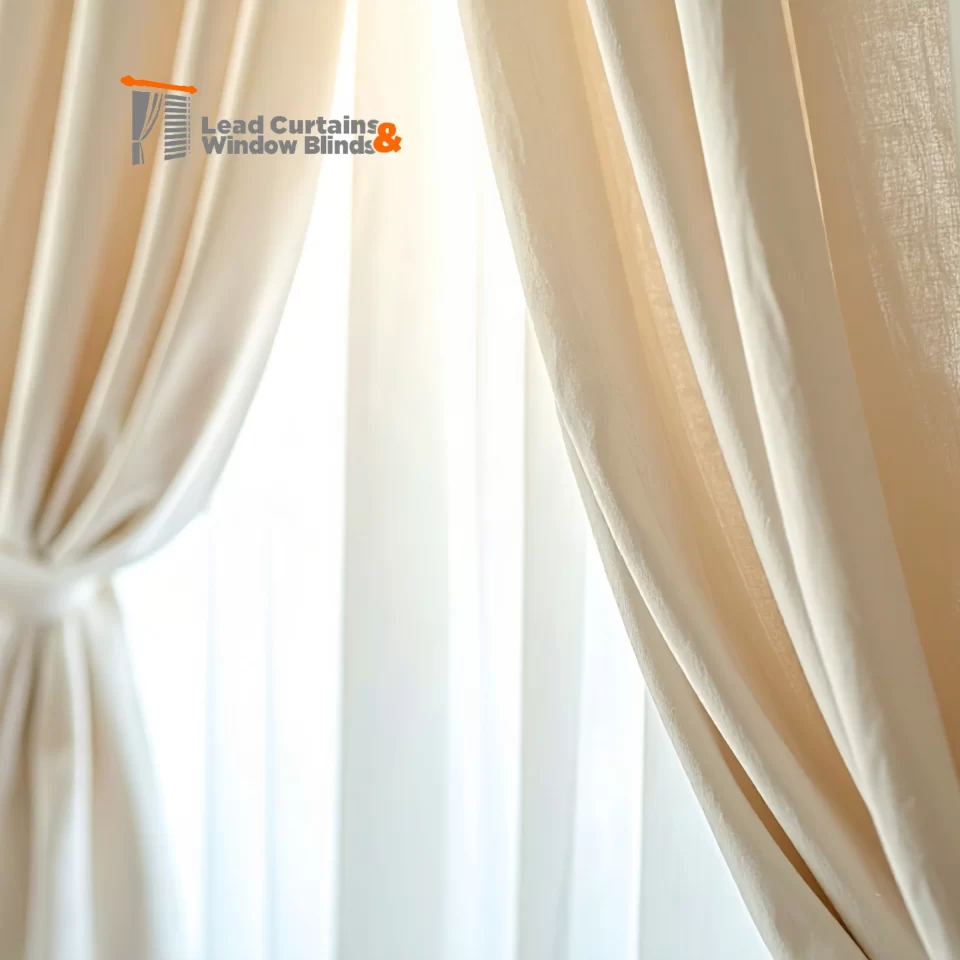
When designing or upgrading a space, window treatments play a critical role in shaping aesthetics, privacy, lighting, and thermal comfort. Yet many homeowners use the terms interchangeably without understanding the true curtains and drapes differences. While both serve the purpose of covering windows, their construction, functionality, fabric weight, and overall impact on interior ambiance vary significantly.
Choosing between them is not simply a matter of preference; it involves understanding insulation performance, light filtration, maintenance requirements, and decorative intent. Whether you are furnishing a residential apartment, corporate office, or hospitality suite, knowing the distinctions ensures you make an informed investment.
Fabric and Material Composition
One of the most noticeable curtains and drapes differences lies in the fabric weight and structure. Curtains are typically made from lightweight materials such as cotton, linen, polyester, or sheer voile. These fabrics allow natural light to filter into a room while maintaining a soft decorative presence.
Drapes, on the other hand, are constructed from heavier, more structured fabrics like velvet, brocade, damask, or thick polyester blends. They are often lined with additional layers, including blackout or thermal linings. This layered construction gives drapes a more substantial appearance and functional advantage in insulation and light control.
If you desire an airy, casual atmosphere, curtains are ideal. If you are looking for luxury, privacy, and temperature regulation, drapes may be the superior choice.
Length and Installation Style
Another important factor in evaluating curtains and drapes differences is how they are hung and their overall length. Curtains are commonly available in standard lengths and are often installed using curtain rods with rings, grommets, or tab tops. They typically fall just below the window sill or slightly above the floor.
Drapes are usually custom-fitted and extend from ceiling height down to the floor, sometimes pooling slightly for dramatic effect. They are frequently mounted on traverse rods or tracks to enable smooth opening and closing.
The installation method significantly impacts the visual scale of a room. Ceiling-mounted drapes can make a space appear taller and more refined, whereas curtains offer a more relaxed, functional look.
Light Control and Privacy
Light management is central to understanding curtains and drapes differences. Curtains, especially sheer or semi-sheer types, are designed to filter sunlight rather than block it entirely. They are suitable for living rooms, kitchens, and informal spaces where natural light is welcome.
Drapes provide superior light-blocking capabilities due to their heavier fabrics and optional blackout lining. They are particularly effective in bedrooms, home theaters, and conference rooms where darkness and privacy are essential.
Additionally, drapes enhance acoustic insulation by dampening outside noise. This makes them practical for homes located near busy roads or commercial areas.
Insulation and Energy Efficiency
Thermal performance further defines curtains and drapes differences in practical terms. Curtains offer minimal insulation because of their lighter fabric structure. While they may reduce glare and minor heat penetration, they do not significantly regulate indoor temperature.
Drapes, especially those with thermal lining, act as barriers against heat loss in colder months and reduce heat gain during hot seasons. This energy efficiency can lower electricity bills by minimizing reliance on air conditioning or heating systems.
In regions with fluctuating temperatures, investing in drapes may offer long-term financial savings in addition to aesthetic benefits.
Formality and Interior Aesthetics
Interior designers frequently highlight stylistic distinctions when explaining curtains and drapes differences. Curtains tend to align with casual, modern, minimalist, or contemporary décor themes. Their lighter flow complements Scandinavian, bohemian, or transitional designs.
Drapes are more commonly associated with formal interiors. They add elegance, structure, and sophistication to dining rooms, executive offices, and luxury residences. The pleated headers and rich textures of drapes contribute to a polished architectural finish.
Selecting the right option depends on the mood you want to create. Are you aiming for relaxed comfort or refined grandeur?
Maintenance and Durability
Maintenance considerations also reveal practical curtains and drapes differences. Curtains are generally easier to remove and wash. Most lightweight fabrics can be machine-washed, making them convenient for households with children or pets.
Drapes, due to their thickness and lining, often require professional dry cleaning. Their heavier structure means they are less frequently laundered but may demand specialized care.
From a durability standpoint, drapes typically last longer because of their reinforced construction. However, the maintenance cost can be higher over time.
Cost Implications
Budget is another area where curtains and drapes differences become evident. Curtains are usually more affordable, especially ready-made options available in standard sizes. They provide a cost-effective way to refresh interiors without significant financial commitment.
Drapes, particularly custom-made designs with premium fabrics and linings, are more expensive. The higher price reflects material quality, craftsmanship, and added functional features such as insulation and blackout capability.
For large-scale projects, such as office complexes or event halls, cost analysis should include long-term value and performance rather than initial price alone.
The Role of Technology and AI in Window Treatment Selection
Modern technology is transforming how homeowners understand curtains and drapes differences. AI-powered interior design tools now allow users to visualize various window treatments in virtual renderings of their rooms before making a purchase.
Imagine uploading a photo of your living room and instantly seeing how velvet drapes versus linen curtains would look in the space. Would artificial intelligence soon recommend optimal fabric weight based on your city’s climate data and sunlight exposure?
This integration of smart design systems enhances decision-making, reduces trial-and-error purchases, and improves overall customer satisfaction.
Which Option Is Right for You?
Ultimately, understanding curtains and drapes differences empowers you to align window treatments with your lifestyle, climate, décor goals, and budget.
Choose curtains if you prioritize:
- Light filtration
- Casual aesthetics
- Lower upfront cost
- Easy maintenance
Choose drapes if you prioritize:
- Maximum privacy
- Insulation and energy efficiency
- Formal or luxurious appearance
- Long-term durability
Every space has unique requirements, and selecting the appropriate window covering should reflect both functional and design objectives.
Conclusion
The decision between curtains and drapes goes beyond terminology. By carefully analyzing fabric composition, installation style, insulation properties, maintenance demands, and aesthetic impact, you can make a well-informed choice that enhances your environment.
If you are planning a new installation or upgrading your existing window treatments, professional guidance ensures optimal results. For expert fabrication, installation, and personalized consultation, clients should reach out to Lead Curtains and Blinds for high-quality solutions tailored to your space.
