

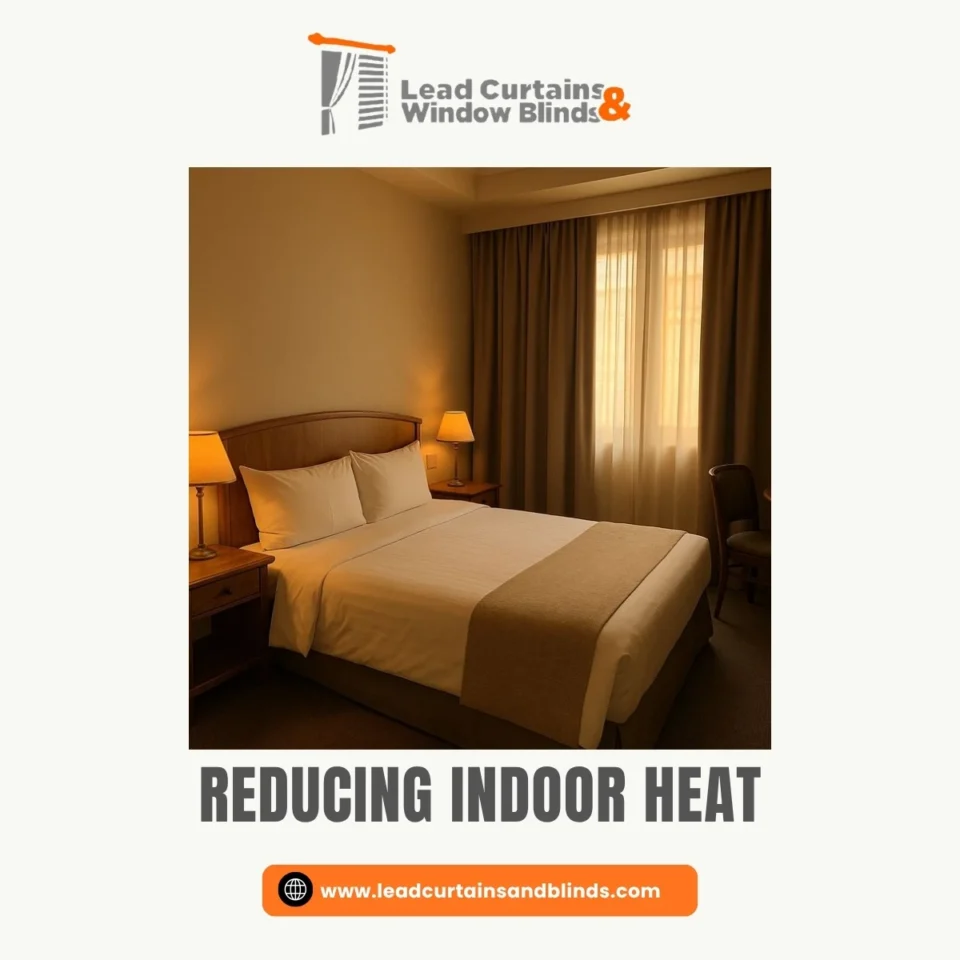
Keeping a home cool during hot weather can be challenging, especially in areas where intense sunlight enters through windows for several hours each day. While air conditioners and fans are common solutions, they can increase electricity consumption and household expenses. This is why many homeowners are exploring practical methods of reducing indoor heat without relying entirely on cooling appliances. Thermal curtains are one option that can help control the amount of heat entering through windows while also improving indoor comfort.
What Are Thermal Curtains?
Thermal curtains are specially designed window coverings made with insulating materials or multiple fabric layers that help regulate indoor temperatures. Their construction creates a barrier between the interior of a home and outdoor conditions, making them useful for reducing indoor heat during hot periods. Unlike ordinary decorative curtains, thermal curtains are designed with temperature control in mind, making them particularly useful for rooms exposed to strong sunlight.
How Thermal Curtains Help Reduce Heat
Windows can allow significant amounts of solar radiation to enter a room, particularly when they face the direction of intense afternoon sunlight. Thermal curtains help with reducing indoor heat by limiting the amount of direct sunlight and radiant heat that passes through the window area. When properly installed and closed during the hottest parts of the day, they can make a noticeable difference in how warm a room feels.
The effectiveness of thermal curtains depends partly on their fabric, lining, colour, thickness, and installation. Curtains with tightly woven materials and reflective or insulated backing can provide better protection against solar heat. For homeowners focused on reducing indoor heat, selecting curtains specifically designed for thermal insulation is generally more effective than choosing curtains based only on appearance.
Can Thermal Curtains Keep a Room Completely Cool?
It is important to have realistic expectations. Thermal curtains are not a replacement for air conditioning, proper ventilation, or other major cooling systems. Instead, they contribute to reducing indoor heat by controlling heat gain through windows. Their greatest benefit may be noticed when they are combined with other passive cooling strategies, such as shading, ventilation, reflective roofing, and energy-efficient windows.
For example, closing thermal curtains before the afternoon sun becomes intense can prevent a room from absorbing as much heat. This proactive approach to reducing indoor heat is often more effective than waiting until the room becomes extremely hot and then trying to cool it down.
Thermal Curtains and Energy Efficiency
One of the biggest advantages of reducing indoor heat through window treatments is the potential to reduce dependence on cooling appliances. When less heat enters a room, an air conditioner may not need to work as hard or run continuously to maintain a comfortable temperature. Over time, this could contribute to better household energy efficiency.
For homeowners and businesses concerned about rising energy costs, thermal curtains can therefore become part of a broader strategy for reducing indoor heat and managing energy consumption. The actual savings will vary depending on factors such as the size of the windows, room orientation, insulation, local climate, air-conditioning usage, and curtain quality.
Choosing the Right Thermal Curtains
Not every curtain marketed as thermal will provide the same level of insulation. Homeowners interested in reducing indoor heat should consider curtains with substantial thermal lining, dense fabrics, good window coverage, and a design that minimizes gaps around the window. Curtains that extend beyond the sides and bottom of the window can help reduce the amount of sunlight and warm air reaching the room.
Colour can also influence performance. Lighter or reflective surfaces can help reflect solar radiation, while darker fabrics may absorb more sunlight if they are directly exposed to it. A professional curtain and blinds provider can help homeowners choose a suitable combination of fabric, lining, colour, and design for reducing indoor heat.
Proper Installation Matters
Even high-quality thermal curtains may not perform as expected if they are poorly installed. Gaps around the edges can allow sunlight and heat to enter the room, reducing their effectiveness at reducing indoor heat. Proper measurements and installation help ensure that the curtain covers the window adequately and operates smoothly.
This is where professional guidance becomes valuable. Instead of simply purchasing curtains based on their appearance, homeowners can work with experienced specialists who understand window dimensions, fabric performance, room orientation, and practical installation requirements. These factors can make a meaningful difference when the goal is reducing indoor heat.
Thermal Curtains for Different Rooms
Thermal curtains can be useful throughout the home, but some rooms may benefit more than others. Bedrooms with windows exposed to morning or afternoon sunlight can become significantly warmer during the day. Living rooms with large glass windows may also experience considerable solar heat gain. Using thermal curtains in these spaces can support reducing indoor heat and make the rooms more comfortable.
Home offices can also benefit. If a workspace becomes excessively warm because of direct sunlight, thermal curtains can help with reducing indoor heat while also controlling glare on computer screens. This can create a more comfortable environment for working, studying, or attending virtual meetings.
Can AI Help Homeowners Choose Better Window Treatments?
With the growing use of artificial intelligence, could AI eventually help homeowners determine the best window treatment for reducing indoor heat? AI-powered building analysis can potentially evaluate factors such as window orientation, sunlight exposure, room temperature patterns, and energy consumption to recommend more efficient solutions. While professional expertise remains important, technology can increasingly support smarter decisions about home energy management.
Combining Thermal Curtains With Other Solutions
For better results, homeowners should think beyond curtains alone. Combining thermal curtains with window films, external shading, proper insulation, energy-efficient windows, and adequate ventilation can strengthen a home’s approach to reducing indoor heat. Simple habits, such as keeping curtains closed during peak sunlight hours and opening windows when outdoor conditions are cooler, can also contribute to indoor comfort.
Thermal curtains can therefore be viewed as one component of a complete temperature-management strategy. When selected and installed correctly, they provide a practical and attractive method of reducing indoor heat while enhancing privacy, controlling sunlight, and improving the overall appearance of a room.
Conclusion
So, can thermal curtains effectively help with reducing indoor heat? Yes. Properly selected, measured, and installed window treatments limit solar heat, enhancing indoor comfort and coolness. However, their performance depends on factors such as fabric quality, window exposure, installation, and the home’s overall insulation.
If you want a stylish and practical window treatment solution for reducing indoor heat, clients should reach out to Lead Curtains and Blinds. With the right curtains and blinds, your windows can become more than decorative features, they can play an important role in creating a cooler, more comfortable, and energy-conscious home.
