

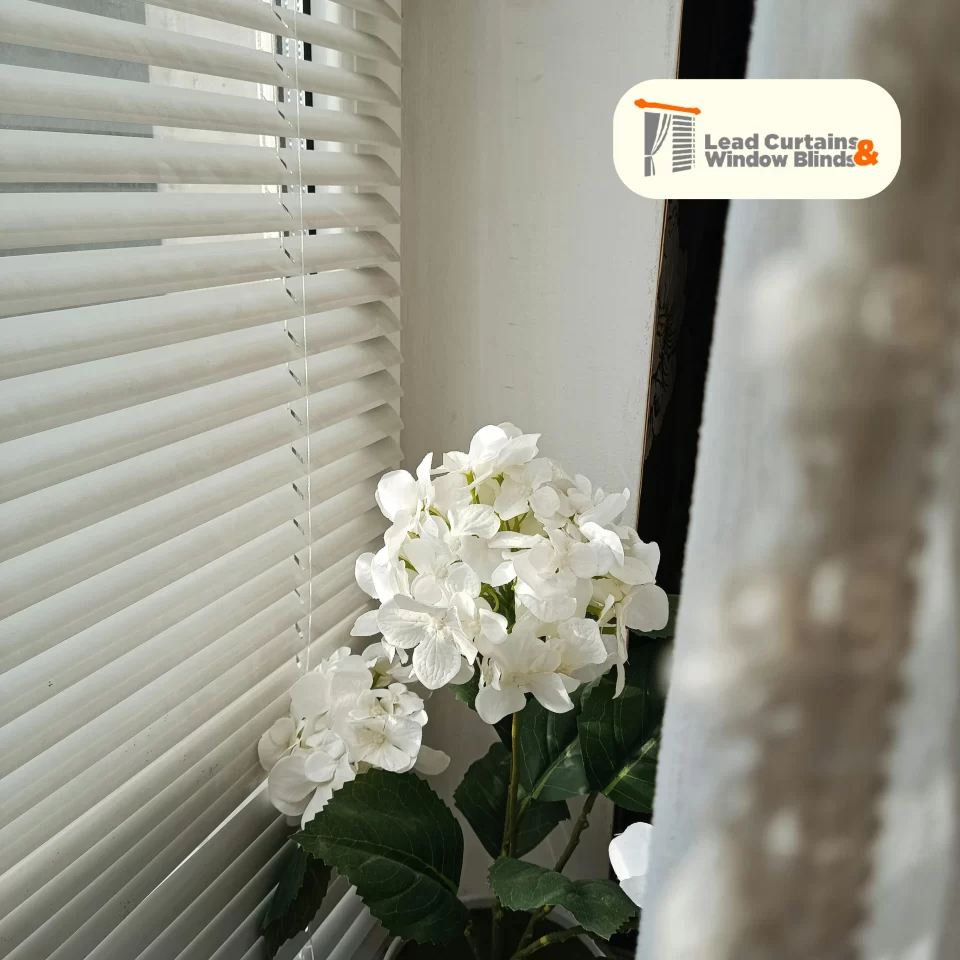
When designing a space, windows are more than just functional openings for light and ventilation, they are architectural focal points. Many homeowners and business owners often ask whether combining two window treatments is excessive or stylish. The truth is, using curtains and blinds together is not only possible, but in many cases, it is the most practical and aesthetically refined choice. This layered approach enhances privacy, light control, insulation, and overall interior appeal. In this article, we will explore the benefits, design strategies, and practical considerations that make this combination a smart investment for modern spaces.
Why Layer Window Treatments?
Layering window treatments is rooted in both functionality and design psychology. Using curtains and blinds together allows you to enjoy the structured precision of blinds while benefiting from the softness and decorative warmth of curtains.
Blinds are typically installed directly onto the window frame. They offer:
- Precise light control
- Privacy adjustment
- Minimalistic appearance
- Easy maintenance
Curtains, on the other hand, add:
- Texture and depth
- Sound absorption
- Insulation benefits
- Visual elegance
When combined properly, they create dimension and balance. Instead of competing with each other, they work in harmony. The blinds handle the technical function of controlling light throughout the day, while the curtains elevate the aesthetic and add character to the room.
Functional Advantages
One of the strongest reasons homeowners prefer using curtains and blinds together is enhanced control over light and privacy. During the day, you may tilt blinds slightly to allow filtered daylight while maintaining privacy. In the evening, closing curtains adds another layer of security and insulation.
This combination is particularly useful in:
- Bedrooms where blackout control is essential
- Living rooms with large windows
- Offices where glare reduction is necessary
- Spaces facing busy streets
Layering also improves thermal efficiency. Blinds reduce direct sunlight penetration, while curtains help trap air and reduce heat loss during colder seasons. This dual system can contribute to lower energy bills and improved indoor comfort.
Design and Aesthetic Appeal
Interior design is about balance, hard and soft elements working together. Using curtains and blinds together introduces both structure and fluidity into a room. Blinds provide clean lines and a contemporary base, while curtains soften the look and make the space feel welcoming.
To achieve the best visual results:
- Match color palettes for cohesion
- Choose neutral blinds if curtains are bold
- Use patterned curtains with simple blinds
- Ensure proper curtain length for elegance
Floor-length curtains paired with sleek roller or Venetian blinds often create a luxurious, hotel-inspired appearance. In minimalist homes, light sheer curtains over fitted blinds offer a subtle and airy effect.
Choosing the Right Combination
Not all blinds and curtains pair equally well. Selecting the right materials and styles is crucial when using curtains and blinds together.
Popular combinations include:
- Roller blinds with full-length drapes
- Roman blinds with sheer curtains
- Wooden Venetian blinds with linen curtains
- Blackout blinds with decorative outer curtains
Consider the purpose of the room before making your choice. For example, bedrooms benefit from blackout blinds layered with thick curtains. Living areas may work better with light-filtering blinds and elegant fabric panels.
Fabric weight, blind color, and hardware selection should align with the room’s overall theme. A well-coordinated system looks intentional rather than cluttered.
Common Misconceptions
Some people assume that layering window treatments makes a room look heavy or overcrowded. However, the issue usually lies in poor planning rather than the concept itself. Using curtains and blinds together becomes visually overwhelming only when colors clash or proportions are incorrect.
Another misconception is cost. While installing two treatments may seem more expensive upfront, the long-term value often outweighs the initial investment. The added insulation, durability, and flexibility in design can prevent frequent replacements.
Finally, some believe maintenance becomes difficult. In reality, blinds are easy to wipe clean, and curtains can be washed or dry-cleaned periodically. With proper installation and spacing, cleaning remains straightforward.
Installation and Practical Considerations
Precision matters when layering. Proper measurement ensures that both treatments function without interference. Using curtains and blinds together requires attention to mounting depth, rod placement, and fabric clearance.
Here are important installation guidelines:
- Install blinds inside the window recess for a streamlined look
- Mount curtain rods higher than the window frame to create height
- Allow curtains to extend slightly beyond window width
- Ensure enough spacing between blinds and fabric
Motorized blinds can also be integrated for smart home systems, adding automation and convenience. Imagine asking an AI assistant to adjust your blinds while your curtains remain elegantly draped, modern technology makes this seamless. Could AI-driven home automation redefine how we interact with window treatments in the near future? The possibilities are expanding rapidly.
Ideal Spaces for Layered Window Treatments
Certain spaces benefit more than others from this approach. Using curtains and blinds together works exceptionally well in:
- Master bedrooms requiring darkness and softness
- Formal living rooms where elegance is key
- Conference rooms needing glare reduction
- Hotels and short-term rentals for flexible lighting
In commercial environments, layered treatments create a professional atmosphere while maintaining energy efficiency. In residential settings, they provide comfort and sophistication.
Cost Consideration and Long-Term Value
Budget planning is essential before selecting materials. The cost of using curtains and blinds together depends on:
- Fabric quality
- Blind mechanism type
- Window size
- Installation method
Although premium fabrics and motorized blinds increase initial cost, they often provide long-term savings through durability and insulation benefits. Additionally, layered treatments reduce wear and tear since each layer supports the other in managing sunlight exposure.
From a property value perspective, well-designed window treatments enhance perceived quality. Prospective buyers often notice thoughtful detailing, and layered windows contribute to a polished interior presentation.
Conclusion
Using curtains and blinds together is not just a design trend — it is a practical, flexible, and elegant solution for modern spaces. This approach offers superior light control, enhanced privacy, better insulation, and elevated aesthetic appeal. When properly selected and installed, the combination creates balance between function and beauty.
Whether you are designing a new home, upgrading an office, or renovating an existing space, professional guidance ensures the best results. For expert consultation, fabrication, and installation tailored to your environment, clients should reach out to Lead Curtains and Blinds. Their team understands how to transform windows into refined focal points that enhance both comfort and style.
