

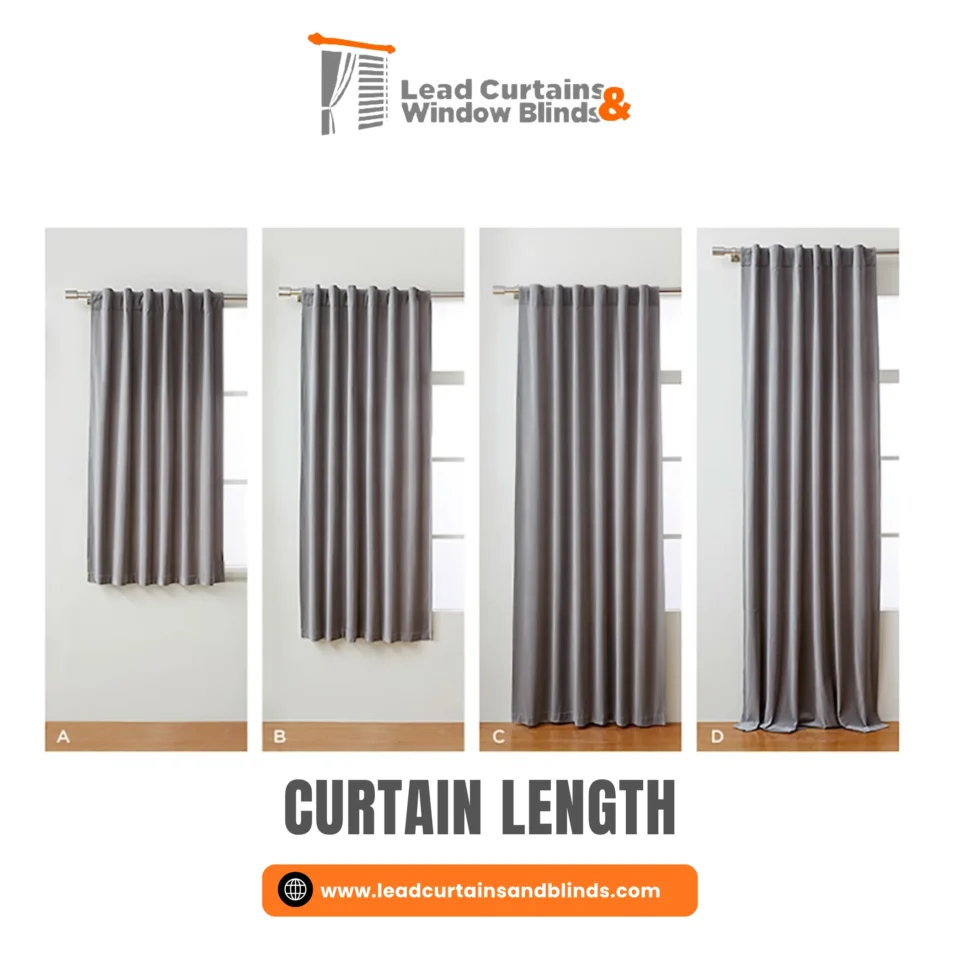
Floor-to-ceiling windows are a beautiful feature in modern homes, apartments, hotels, and office spaces. They allow natural light to enter, create an open atmosphere, and provide an elegant connection between indoor and outdoor spaces. However, choosing the right curtains for these windows requires careful consideration, particularly when deciding on the ideal curtain length.
The right curtain length can completely transform the appearance of a room. Curtains that are too short may make a large window look unfinished, while excessively long curtains can create unnecessary folds, collect dust, and become difficult to maintain. Whether you are decorating a luxury apartment in Abuja, renovating your family home, or furnishing a corporate office, understanding the appropriate curtain length will help you achieve a balanced and sophisticated interior.
What Is the Ideal Curtain Length for Floor-to-Ceiling Windows?
For most floor-to-ceiling windows, the ideal curtain length is one that reaches the floor or sits slightly above it. This creates a clean, elegant appearance while allowing the curtains to cover the entire window effectively.
Generally, the curtain length should be measured from the curtain rod or track to the finished floor. For a neat and modern appearance, curtains should typically finish about 0.5 to 1 inch above the floor. This small gap prevents the fabric from dragging while maintaining the appearance of full-length curtains.
However, some homeowners prefer curtains that lightly touch the floor or create a slight fabric break. The best curtain length depends on the desired interior style, fabric type, cleaning preferences, and the overall design of the room.
Different Curtain Length Styles for Floor-to-Ceiling Windows
There are several curtain styles homeowners can consider when choosing the appropriate curtain length. Each option creates a different visual effect and serves a particular interior design purpose.
Floor-Length Curtains
Floor-length curtains are among the most popular choices for floor-to-ceiling windows. They extend from the curtain track or rod to just above the floor, creating a neat and organised appearance.
This curtain length works particularly well in contemporary homes, minimalist interiors, bedrooms, and formal living rooms. It gives windows a taller appearance and allows the fabric to fall naturally without touching the floor.
For homeowners who prefer a clean and practical finish, floor-length curtains are an excellent option because they are easier to maintain and less likely to collect dust at the bottom.
Slightly Touching the Floor
Another attractive option is a curtain length that allows the fabric to gently touch the floor. This style creates a soft, luxurious appearance without leaving too much excess material.
It is particularly suitable for sitting rooms, master bedrooms, luxury apartments, and formal spaces where homeowners want a more sophisticated atmosphere.
When selecting this curtain length, fabric weight is important. Lightweight materials such as sheer curtains can create a delicate appearance, while heavier fabrics such as velvet provide a fuller and more dramatic finish.
Puddled Curtains
Puddled curtains are designed with additional fabric that extends onto the floor, creating a decorative pool of material. This curtain length is often associated with traditional, luxurious, and high-end interior designs.
Although puddled curtains can make a room look elegant, they require more maintenance because the extra fabric can collect dust and become difficult to clean. They may also be unsuitable for areas with frequent movement, children, or pets.
For homeowners who want a dramatic interior finish, this curtain length can work beautifully in formal living rooms and selected master bedrooms.
How to Measure Curtain Length for Floor-to-Ceiling Windows
Getting accurate measurements is one of the most important steps when ordering curtains. Even expensive fabric can look poorly fitted when the curtain length is incorrect.
Here are practical steps to follow:
- Determine the curtain track position: Decide whether the curtain track will be installed directly above the window frame, close to the ceiling, or within a ceiling recess.
- Measure from the track: Use a measuring tape to measure vertically from the point where the curtain will hang to the finished floor.
- Consider the desired finish: Decide whether you want the curtain to hover above the floor, touch it lightly, or create a puddled appearance.
- Account for the curtain heading: Different curtain headings, including eyelet, pinch pleat, and wave styles, may require adjustments to the finished measurement.
- Measure both sides: Check the height at different points because floors and ceilings are not always perfectly level.
Following these steps helps ensure that the curtain length is accurate and that the finished installation looks professionally arranged.
Factors to Consider When Choosing Curtain Length
Ceiling Height
The height of your ceiling plays an important role in determining the appropriate curtain length. Homes with high ceilings often benefit from curtains installed close to the ceiling, allowing the fabric to extend down to the floor.
This curtain length creates a continuous vertical line that makes the room appear taller and more spacious. It is particularly effective in luxury homes, duplexes, and modern apartments.
Type of Curtain Fabric
Fabric selection can influence how curtains fall and how their length appears after installation. Lightweight fabrics such as voile and sheer materials usually create soft, flowing folds, while heavier fabrics such as velvet and blackout materials produce a fuller appearance.
When choosing curtain length, consider the weight, thickness, and behaviour of the fabric. These details help determine whether the curtains will maintain their intended shape and finish.
Room Function
The purpose of the room should also influence your curtain length decision. In bedrooms, full-length blackout curtains can provide privacy and help reduce unwanted light. In living rooms, decorative curtains combined with sheers can create an elegant and welcoming atmosphere.
For offices and commercial spaces, a practical curtain length that does not interfere with movement or cleaning is often preferable. Choosing the right length according to the room’s function improves both appearance and convenience.
Cleaning and Maintenance
Curtains require regular cleaning to maintain their appearance. Excessively long fabrics may collect dust, especially in homes with frequent movement or open windows.
A curtain length that sits slightly above the floor is often easier to maintain. It reduces contact with dirt, moisture, and cleaning equipment while preserving a stylish appearance.
Can Artificial Intelligence Help You Choose the Right Curtain Length?
How can AI make curtain selection easier for homeowners? Artificial intelligence is increasingly influencing interior design through virtual room planners, measurement applications, and AI-powered visualisation tools.
These technologies can help homeowners experiment with different curtain length options before purchasing materials or installing curtain tracks. For example, an AI interior design application may generate visual previews showing how floor-length, floor-touching, or puddled curtains would look in a particular sitting room.
However, AI-generated measurements should be treated as guidance rather than a replacement for accurate physical measurements. Professional curtain specialists can assess window dimensions, ceiling height, fabric requirements, and installation details to achieve the desired result.
Common Mistakes to Avoid When Choosing Curtain Length
Even with beautiful curtain materials, certain mistakes can affect the final appearance of your windows.
- Choosing curtains that are too short: This can make floor-to-ceiling windows look unfinished and reduce the elegance of the space.
- Ignoring ceiling height: Incorrect measurements may affect the overall proportion of the room.
- Selecting the wrong fabric: Some materials may not fall properly when used for particular curtain styles.
- Forgetting the curtain track: The installation position affects the final curtain length.
- Ignoring maintenance requirements: Excess fabric touching the floor can collect dust and make cleaning more difficult.
Avoiding these mistakes helps homeowners achieve a more polished and professionally finished interior.
Why Choose Professional Curtain and Blinds Services?
Selecting curtains involves more than choosing attractive colours and fabrics. It requires proper measurements, fabric selection, design coordination, and professional installation.
Lead Curtains and Blinds provides curtain and blinds solutions that help homeowners and businesses create beautiful, functional interior spaces. From selecting suitable fabrics to determining the right curtain length, professional guidance can make the entire process easier.
Whether you are furnishing a new property, renovating your sitting room, upgrading your bedroom, or improving your office interior, working with experienced professionals helps ensure that your curtains complement the architecture and overall design of your space.
Conclusion
Choosing the ideal curtain length for floor-to-ceiling windows is essential for achieving a beautiful, balanced, and functional interior. While floor-length curtains that sit slightly above the floor remain a popular choice, floor-touching and puddled styles can also create attractive results depending on your preferred design.
The most important considerations are accurate measurements, ceiling height, fabric type, room function, and maintenance requirements. A well-selected curtain length can enhance the appearance of your windows, improve privacy, and give your interior a more refined finish.
Clients should reach out to Lead Curtains and Blinds for professional curtain and blinds solutions, expert guidance, quality materials, and stylish window treatments that complement their spaces. Let your windows make a statement with the right curtains.
