

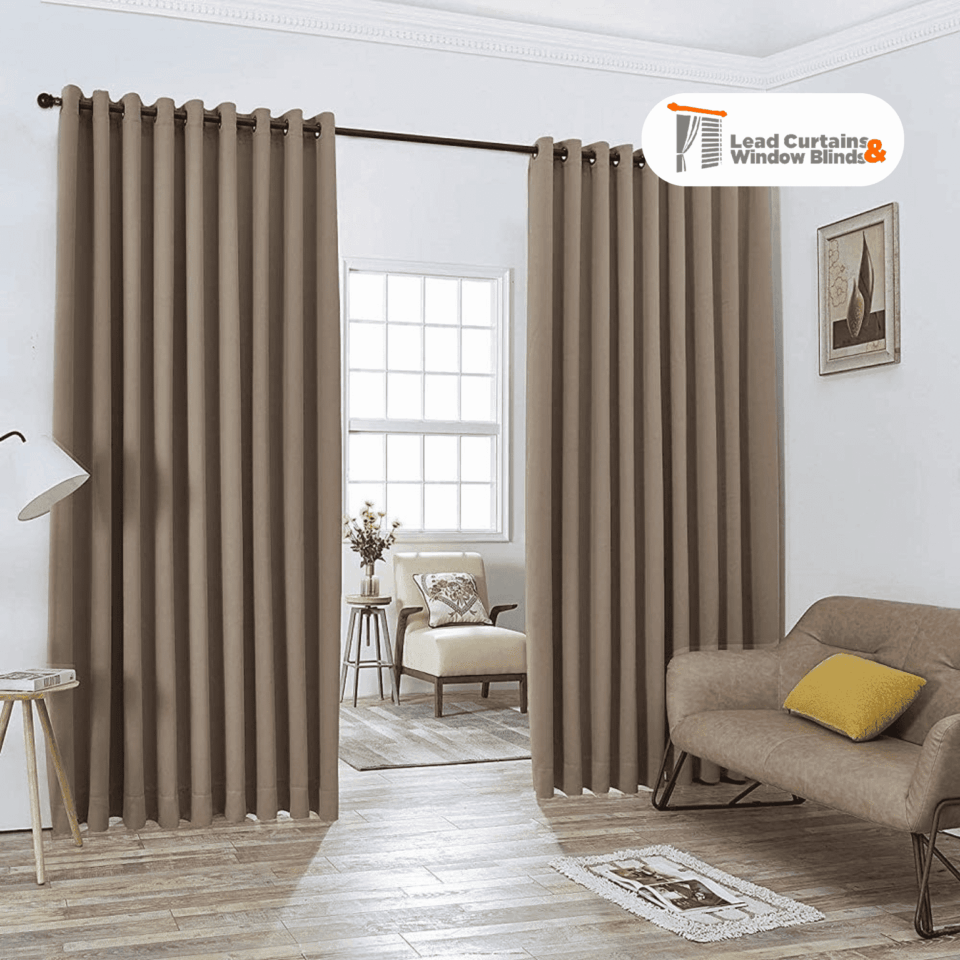
Achieving a visually unified space requires intentional design choices, thoughtful color coordination, and strategic layering of textures. For many property owners and interior designers, seamless interior theme strategies begin with an understanding of the way in which walls, furniture, and window coverings can come together to shape a room’s atmosphere. When these three core elements align, any space has the ability to transform from being disconnected into cohesive, modern space-time, and deeply expressive of personal style.
Start with a Clearly Conceived Design Vision.
Clarity of purpose is the beginning of every successful interior design project. Whether your aim is serenity, luxuriousness, warmth, or minimalism, this early decision drives the selection of colors, materials, and finishes. In the processes of creating seamless interior theme concepts, defining the mood helps determine which visual elements should dominate and which should recede, ensuring you craft a coherent and purposeful look.
Use Wall Colors as a Base
It is the walls that set the tone of the room. They provide the backdrop against which all the other elements interact visually. When creating seamless methods of interior themes, choose wall colors that support the intended aesthetic, such as neutral palettes for calmness and softness, earth tones to achieve natural warmth, or bold hues for modern expressiveness. Wall color should enhance and not fight with the furniture and window treatments.
Align Furniture Style and Finish with Your Wall Tone
Furniture makes a huge impact on the spatial character in any room. While looking to achieve smooth interior theme alignment, consider how the textures, shapes, and finishes of your furniture respond to your wall color. Light furniture can lighten up neutral walls while darker furniture anchors airy spaces; mixed materials such as wood, metal, and fabric add rich visual harmonies. The point is creating a balanced dialogue between backdrop and foreground.
Choose window coverings that tie the space together.
Window treatments are some of the most powerful interior design elements because they diffuse, frame, and control natural light. While making smooth interior theme continuity, curtains, blinds, or shades should marry the walls and furniture by either matching, contrasting, or blending with both. If the walls are neutral, textured curtains add depth; if the furniture is richly colored, patterned blinds can echo those tones for unity.
Choose a Single Color Scheme
Color consistency prevents visual fragmentation. When you are creating seamless interior theme structures across a room, choose a palette of two to four colors and repeat them purposefully across walls, upholstery, window coverings, and accessories. As such, if your palette includes beige, charcoal, and gold, let beige dominate the walls, charcoal define the furniture, and gold make subtle appearances in trims or hardware.
Balance Textures for a Layered Experience
Texture brings sensuality and dimension to a space. In creating seamless interior them planning, balance smooth surfaces-such as those made of glass or polished wood-with softer elements, like linen, cotton, or velvet. Visual interest is achieved this way without compromising the overall harmony of the room. Make sure that the wall finish, fabric on furniture, and window coverings include complementary textures to present the room as warm, purposeful, and balanced in tone.
Match Patterns Thoughtfully
Patterns can overwhelm a space or just enhance it. When creating seamless interior theme coordination, make sure patterns used for curtains, cushions, or accent furniture all have a common scale, color family, or motif. A patterned armchair can work very well with lightly patterned drapery if both pieces have similar hues. One should avoid using too many bold patterns in one room, as this would compromise an effective visual flow.
Choose Materials That Reinforce Your Theme
Material selection is one of the most basic building blocks of design coherence. As you work to create seamless interior theme frameworks, choose materials that support your stylistic vision. Scandinavian themes adore light wood and soft fabrics, while industrial themes require metal, leather, and concrete; meanwhile, contemporary themes rely on glass, slick finishes, and structured forms. Consistent material choices reinforce continuity.
Use Lighting to Tie Everything Together
Lighting strengthens colors, emphasizes textures, and affects mood. As part of creating seamless interior theme development, make sure natural and artificial lighting work harmoniously with each other. Warm lighting mellows bold colors; cool lighting sharpens modern palettes. Layered lighting adds depth. Window treatments also offer you control over light in a manner that will complement your design scheme.
Integrate Technology and Smart Design Features
AI-powered design tools also help homeowners visualize room concepts before making any purchases. You can utilize AI simulation platforms, while creating seamless interior theme integrations, to preview how wall colors, furniture arrangements, and window coverings will look in real life. This will cut down on guesswork and give you more confidence in making investment decisions.
Add statement pieces without disrupting continuity.
Accent items in the form of artwork, plants, or decorative mirrors bring out the personality of a room. In creating seamless interior theme balance, make sure these items follow your chosen palette or contrast with it on purpose. A focal object should augment-not overwhelm-your overall design. You may also want to consider choosing accessories that reflect the colors of your window treatments or furniture cushions.
View the Space from Every Angle
Design cohesion needs to hold from every viewpoint. While making seamless interior theme assessments, walk around the room and observe how elements appear from different corners; make adjustments if some sections look disconnected. Often, changing curtain length, repositioning furniture, or adding a soft rug is enough to create alignment.
Conclusion
Coordinating walls, furniture, and window coverings can be quite a tedious process; it tends to become rewarding when done properly. With the inclusion of careful planning, aligning colors and textures, and modern tools such as AI simulations, a homeowner can easily achieve a truly unified design. If you’re genuinely committed to creating seamless interior theme results and need window coverings that tie everything together with ease, consult with Lead Curtains and Blinds today for professional advice and a solution that meets your needs.
